Showing posts with label pasta. Show all posts

Sunday, November 7, 2010

Pasta e Fagioli

Even though it's not too cold out, I figured the first night of non-daylight savings called for a good, comforting hibernation type of meal. Don't get me wrong, I don't really enjoy the sun setting pretty much in the middle of the afternoon, but there's something about it getting dark so early that makes me just a little happy. Probably knowing the holidays are around the corner, and that soon the trees on Michigan Avenue and on my street will be covered in little white lights that I can enjoy on my walk home from work, and not feeling at all guilty about having no desire to go anywhere besides the couch on a weekend night. Get back to me mid-February and I'm sure I'll be singing a different tune. But on a Sunday when the sun set at 4:37pm, the Jets and the Giants both won, and there were steaming bowls of pasta e fagioli on the dinner table, what's there to complain about?


Serves 2-3
3 tablespoons extra virgin olive oil
1 link hot Italian sausage (pork, turkey, or chicken - not already cooked)
2 cloves garlic, minced
1/2 white onion, diced
4 cups low-sodium chicken stock
1/4 cup tomato paste
2 teaspoons dried oregano
1/2 pound pasta - some sort of small tube shape
1 14-oz. can cannellini beans, drained and rinsed
1/4 cup freshly grated parmigiano reggiano cheese, plus more for garnish
fresh basil for garnish

In a medium saucepan heat half the olive oil over medium heat. Cook the sausage link until browned on both sides and cooked through. Remove from pan and cut into slices, then cut the slices in half.

In the same pan add the rest of the olive oil, garlic, and onion and cook for about 3 minutes or until onion is softened. Add the sausage back to the pan. Add the chicken stock, tomato paste, and oregano and stir to combine. Make sure the tomato paste is incorporated into the stock. Turn the heat up to high and bring to a rapid boil.

Add the pasta and cook according to directions. When pasta is done remove from heat and stir in the cheese and beans. Serve with more cheese and basil.


I didn't take a lot of photos because the recipe is very quick, and because it's all pretty standard - chopped onions, heating up broth, grating cheese, etc. There are so many variations you can do - pancetta instead of sausage, sweet Italian sausage, no meat at all, no tomato paste, chopped Italian tomatoes instead of paste, red kidney beans instead of cannellini, purée half the beans in a food processor to make the broth thicker, use a sachet of herbs including a bay leaf, rosemary, and thyme...the list goes on. This version is a stew - somewhere between a soup, and pasta with sauce. The broth is thickened by the tomato paste, the starch from the pasta, and the cheese. Any way you make it, it's a "one pot" meal, can easily be doubled, and makes great leftovers for lunch the next day.

Tuesday, November 2, 2010

Weekend in Columbus

I'm back! My Monday absence can be attributed to a long weekend at home, a rare occasion that I was very excited to indulge in. I hadn't been home in almost 5 months! That may be the longest I've ever gone. And may I just stop for a second to say - is it REALLY November? Really?! I feel like it should be just a couple weeks after Labor Day. I'm so not ready for the onslaught of Christmas candy/gifts/trees/paraphernalia/tv ads/stuff in the mail that's about to happen.

Back to my weekend at home...first order of business - Jeni's. Obviously. That's a "trio" of heirloom pumpkin five spice, spicebush apple butter, and brown butter almond brittle.


Some flowers...and some foliage. Isn't that red leaf so bright and pretty that it almost looks fake?


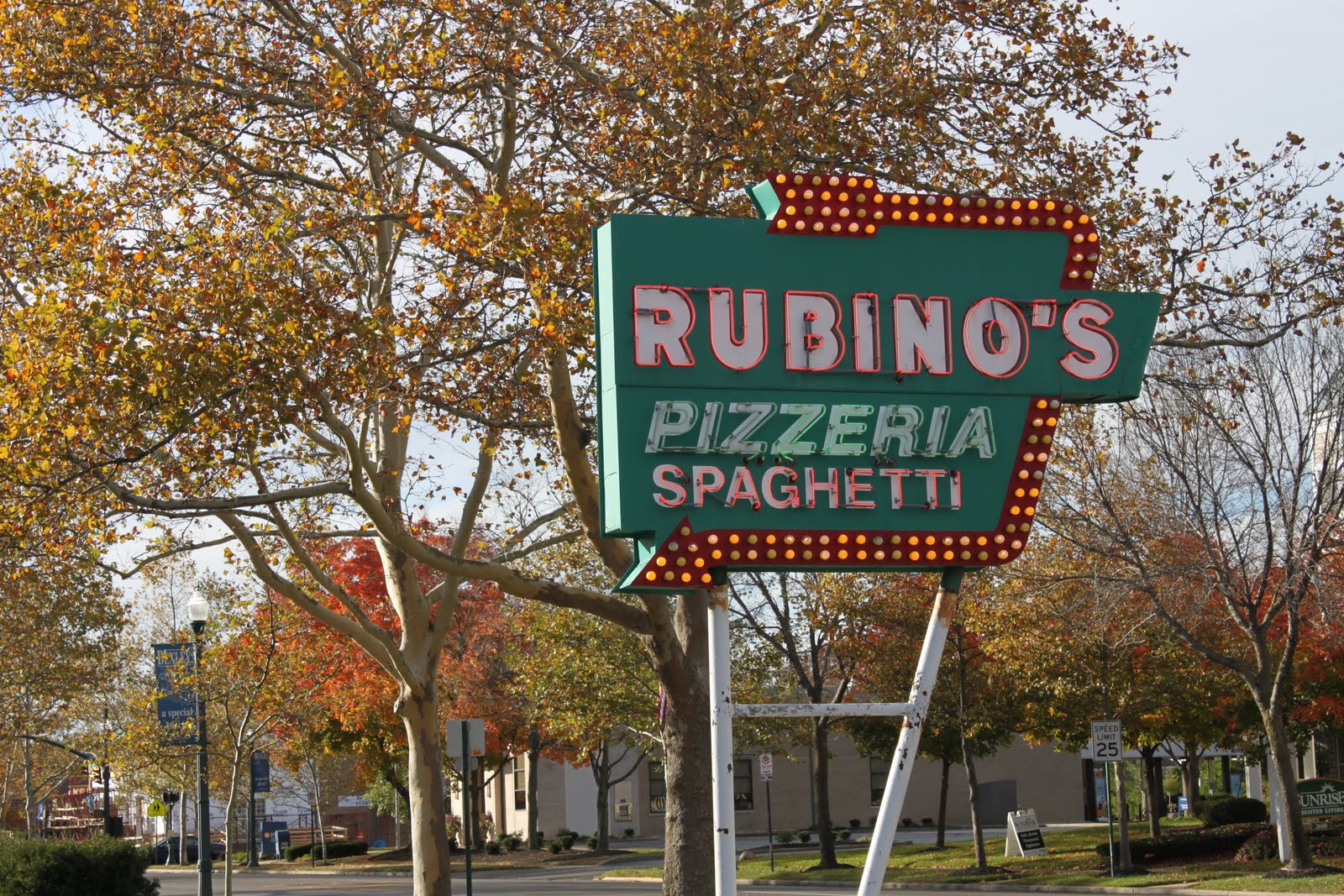
A stop at my favorite pizza place, Rubino's. This place seriously has not changed since 1954. Not in a cute, vintage way - in a serious, time warp way. Linoleum floors, a few booths and tables, a pinball machine, fluorescent lighting...it's kind of the restaurant version of an old basement rec room. But I don't care, it's my hands down favorite pizza.


$6 for a small pepperoni. The crust is so thin and crispy, almost like a cracker, with a little cornmeal on the bottom. Not too much sauce or cheese, and mini pepperonis. I could have easily eaten that whole thing myself. We split one to share while watching football so it was just a mid-day snack.


A fire and some furry friends. Lots of quality time with my furry friends.


And a delicious Sunday night dinner. A side of brussels sprout hash and an apple crisp for dessert.


And a new recipe - whole wheat pasta with roasted eggplant, pepper, and garlic.


Ahh, what a great weekend.

Wednesday, October 20, 2010

Pasta with Caramelized Onion, Swiss Chard, and Garlicky Bread Crumbs

And anchovies. The New York Times didn't include anchovies in the title of this dish, but they're in there...important to mention since they're probably a deal-breaker for some people.


I used rainbow chard instead of regular Swiss chard, and it made the dish look so vibrant and pretty. The red leaves colored the onions red, too. All the ingredients are in season right now - the chard, garlic, and onion all came from the farmers market. Pasta, bread crumbs, and anchovies were from the store. And best of all, this dish incorporates a whole pound of dark, leafy greens.


3 tablespoons butter or olive oil
5 anchovy fillets
2 garlic cloves, finely chopped
2/3 cup bread crumbs
1 tablespoon extra virgin olive oil, plus additional for drizzling
1 yellow onion, halved from stem to root and thinly sliced crosswise
Kosher salt and pepper
1 pound Swiss chard, ribs removed, leaves chopped
1/2 pound whole-wheat pasta, such as fusilli

In a large skillet over medium heat, melt the butter. Add 3 anchovies to the skillet; cook until melted, about 2 minutes. Add the garlic and cook 1 minute.


Stir in the bread crumbs and toast until golden, 3 to 4 minutes. Transfer to a bowl.

Wipe the skillet clean and return it to a medium-high heat. Add the oil, the onion and a pinch of salt. Cook, stirring occasionally, until very soft and caramelized, 15 to 20 minutes.


Chop the remaining 2 anchovies and add them to the skillet. Cook until melted. Add the Swiss chard, a handful at a time, and cook until wilted, about 4 minutes. Cover and keep warm.


Bring a large pot of salted water to a boil. Add the pasta and cook according to package directions. Drain well. Toss with the chard mixture and bread crumbs, season with salt and pepper and drizzle with oil.


I didn't change anything from the NYT recipe except to use rainbow chard instead of regular green Swiss chard, which really doesn't count as a change. Not that I didn't expect this dish to be good - why would I make something if I didn't think it would be good - but I didn't expect it to be THIS good. I made it in the early evening, before going out to dinner, to eat for lunch over the next few days. But when I tasted it, I couldn't stop eating it. The saltiness of the anchovies and the sweetness of the onions work so well together. If you really, really can't stand the thought of anchovies, I would add parmesan cheese or maybe even some pancetta to make up for the lack of a salty ingredient. But I liked the anchovies. This one's a keeper.

Friday, October 15, 2010

Vegetable Lasagna

It's Friday. Oh man. I'm too tired to think of anything witty to say. It's my 7th day of work in a row, and I'm ready to get this show on the road so I can have a few days off. So...today I present to you - veggie lasagna!

This is pretty much identical to my meat lasagna recipe. Except this time I used a little less cheese. I didn't measure it, but after looking back at the first recipe I know I definitely didn't use a cup and a half of ricotta. Probably a cup. So a little less pesto too.


Sauce:
olive oil
1/2 white onion, chopped
2 cloves garlic, minced
1 14 oz. can chopped Italian tomatoes
1 6 oz. can tomato paste
1 cup hot water
1 Tbl oregano
1/4 cup red wine

1 small zucchini, diced
1 small yellow squash, diced
1 small eggplant, diced
1 pint cremini mushrooms (or equal amount portobello), sliced
1 package lasagna noodles
1 1/2 cup shredded mozzarella
1 1/2 cup ricotta cheese
1/2 cup grated parmigiano reggiano cheese
4 Tbl pesto

If your lasagna noodles require boiling, set a large pot of water to heat up while you prepare the sauce and veal.

Get the sauce going first - this can simmer while you do everything else. In a medium saucepan heat up some olive oil and saute the onion and garlic for about 5 minutes. Add the red wine and let the alcohol reduce for a couple minutes. Add the tomato paste, canned tomatoes, and water. Stir until smooth. Add the oregano and let simmer.

Heat up a few tablespoons of olive oil in a large skillet. Add the zucchini, squash, eggplant, and some salt and pepper. Cook for about 5-10 minutes, or until vegetables begin to soften. Add mushrooms and cook for another 10 minutes or so until vegetables are completely cooked.

Boil your lasagna noodles. I didn't have to cook my noodles, but some recipes say to lay cooked noodles on a damp kitchen towel to keep them from sticking to each other. You could also drain them and add some cold water to the pot to keep them from sticking, and from continuing to cook in the hot water. Just make sure to pat them dry before layering into the baking dish.

Preheat oven to 375 degrees. Mix the ricotta and pesto in a bowl. Add a thin layer of sauce in the bottom of the baking dish, to keep your first layer of noodles from sticking. Add a layer of noodles, not overlapping. Next spread some of the ricotta mixture over the noodles. Sprinkle mozzarella, then parmesan, then some of the vegetables, and lastly spoon some sauce over everything. Then start over - noodles, ricotta, mozzarella, parmesan, vegetables, sauce. Keep layering until the dish is full and you've used all your ingredients. For the top layer I did just noodles, then sauce and the cheeses on the top. Lightly cover with foil and cook about 35 minutes. Take the foil off and put under the broiler for just a couple minutes at the end, to brown the cheese on the top. **If your baking dish is really full to the top, put a layer of foil under it in the oven to prevent any spillover from dripping onto the oven.


Look at all those layers of cheesy vegetable goodness. Oooo yum, I'm so glad I have some left for lunch today.

Monday, September 20, 2010

Pasta alla Norma


Pasta alla Norma is apparently named for the composer Bellini's opera "Norma". Who knew? It's a Sicilian pasta dish made up of tomatoes, eggplant, basil, and ricotta salata. My favorite version of it is from Mario Batali's restaurant Otto, and he uses bufala ricotta instead of ricotta salata. Bufala ricotta is hard to find, and the traditional version of the dish calls for ricotta salata, so that's what I used.

Serves 3-4
1 medium eggplant
4 tablespoons extra virgin olive oil
3 cloves garlic, minced
1 14-oz. can chopped Italian tomatoes
1/2 - 3/4 teaspoon crushed red pepper flakes
1 pound pasta (cavatelli or penne)
10 fresh basil leaves, chiffonade
ricotta salata for grating

Heat two tablespoons of olive oil in a large skillet. Dice the eggplant and saute in the olive oil until it starts to brown, about 5-7 minutes.


Heat the other two tablespoons of olive oil in a pot big enough to hold the sauce and pasta once done. Add the minced garlic and cook for a few minutes until fragrant and starting to brown just a little. Add the tomatoes and red pepper (1/2 to 3/4 teaspoons, depending on how hot you want it). Heat the tomatoes for about 5-10 minutes, long enough to mix the garlic and red pepper flavors into the sauce. Add the eggplant and keep on low heat.


Meanwhile, cook the pasta in salted, boiling water. I used cavatelli but penne is the typical pasta shape for this dish. Once the pasta is cooked, drain and add to the sauce. Top with fresh basil and grated ricotta salata.


Two things - to chiffonade basil, stack the leaves in a pile and roll them up lengthwise. Cut the roll into thin slices, and you'll have thin strips of basil. Sounds fancy, but it's very easy. And ricotta salata - it looks nothing like regular ricotta. It's much drier and crumblier, almost the same consistency of feta. And it's salty, so it works really well with the flavors of the tomato, eggplant, and basil.

Tuesday, September 14, 2010

Baby Meatballs

In the East Village of Manhattan there's a place called Lil' Frankies, a wonderful Italian restaurant with little tiny baby meatballs. Miniature food is always fun - mini cupcakes, little pizzas, pretty much any passed hors d'oeuvres, and obviously baby meatballs. Lil' Frankies uses theirs on pizza, and in a rigatoni dish. Oh, yum. Just writing this is making me crave them again. Good thing I have leftovers.

I used the same meatballs and sauce recipe as I always use, with a couple very small changes. I didn't make the sauce in the pan I used to brown the meatballs this time. I also used equal amounts of ground beef, veal, and pork (1/3 lb. each), and I used pecorino romano instead of parmesan. Get your sauce going first, keep it on simmer, then get started on the meatballs.


They were so small I didn't have to do much to form them, just pinch off a bit of meat and press it into sort of a round shape. I'm guessing here, but I probably made about 150 meatballs. I know, it sounds like a lot, but I think I did three and half plates of about 35-40 meatballs.

Heat up a big skillet with 2 tablespoons each of canola oil and olive oil, and add the meatballs with enough space so that none of them are touching.


They browned quickly since they were so small, and almost completely cooked through by just browning them on both sides for a few minutes. When done, add them to the sauce and put a lid on the sauce at this point.


When all the meatballs are done, add a little red wine to the pan and loosen all that good stuff that's stuck...


And add it to the sauce.


Cook a pound of rigatoni in salted boiling water, drain, and add to the pot with the sauce and meatballs. Serve it up with some freshly grated parmesan. Because there were lots of little meatballs the meat-to-sauce ratio was on the meaty side. I thought it was good that way, but you could easily up the sauce by 50% or even double it.


I actually thought the baby meatballs were easier than regular sized meatballs. There's less room for error in cooking them and worrying if they are too dry, too moist, won't stick together, etc. They cooked very quickly in the pan so I didn't have to worry about whether I let them simmer in the sauce long enough to cook through. And besides...who doesn't like little baby meatballs that get stuck inside of rigatoni?

Monday, August 30, 2010

Sunday Sauce - Ragu Antica

Growing up, Sunday night in our household was not only family dinner night, but pasta night. And until my sister and I got older and busier with high school sports schedules and other activities, we usually made homemade pasta with my dad. I don't usually make pasta on Sunday nights now, but for some reason it just sounded perfect last night.

I found this recipe in the New York Times, adapted from Osteria Morini in New York which is set to open next month on Lafayette Street in Soho. So here's my adaptation on their adaptation. You can find the NYT's original recipe here.

Time: 2 to 2 1/2 hours
Serves 4

3 tablespoons extra virgin olive oil
1/3 cup diced onion
1/4 cup diced celery
2 tablespoons tomato paste
One 28-ounce cans Italian diced or chopped tomatoes, with their juice
Sea salt and black pepper
1/3 lb. ground beef
1/3 lb. ground pork
1/3 lb. ground veal
1 sprig rosemary
1 sprig sage
1 bay leaf
Parmigiano-Reggiano rind, about 2 by 2 inches, optional
1/2 pound garganelli or other tube-shaped pasta.

1. In a large soup pot or Dutch oven, heat 2 tablespoons of the olive oil over medium heat. Add onion and celery and cook, stirring occasionally, until golden brown, 12 to 15 minutes. Add tomato paste and cook, stirring constantly, for 1 minute.


Add tomatoes and any juice from the can. Season with salt and pepper to taste. Cover and reduce heat to low.

2. Heat remaining 1 tablespoon olive oil in a large skillet over medium-high heat. Add beef, pork, and veal, and season with salt and pepper to taste. Cook, breaking the pieces with a wooden spoon, until the meat is no longer pink, about 7 minutes.


3. Using a slotted spoon, transfer the meat to the sauce. Add rosemary, sage, bay leaf and Parmigiano rind, if using. Cover, and simmer over low heat, stirring occasionally, for 1 1/2 to 2 hours. Discard rosemary, sage, bay leaf and cheese rind. Adjust salt and pepper to taste.


4. Cook the pasta in a large pot of boiling, lightly salted water until al dente (about 2 minutes for fresh pasta, or follow manufacturer’s directions for dried), then drain well. Divide the pasta among four plates or bowls, and top with ragù.


I've never added Parmigiano-Reggiano rind to a sauce before, and I have to say it made a pretty big difference. By letting the rind cook in the sauce for about an hour and a half it got a bit melty, and released a great salty flavor into the sauce. But it wasn't just a salty flavor, it was more complex...and then I didn't have to add as much salt. This dish was very easy to make, it does say you need 2 1/2 hours but a majority of that is just letting the sauce cook. I used tagliatelle because I had it on hand, but next time I'll use a tube-shaped pasta because ragu sauces are easier to eat with rigatoni, penne, or something similar. Yum!

Friday, August 20, 2010

Cacio e Pepe

My inspiration for this one comes from this week's episode of Anthony Bourdain's No Reservations. He went to Rome for the first time (?!#$&*#%&) and made a beeline for one of the most classic Italian dishes - cacio e pepe (spaghetti with cheese and pepper). Do yourself a favor and DVR this episode if you didn't see it - it's on again Monday at 7/6 central on the Travel Channel. You'll find yourself looking up how many frequent flyer miles you need to fly to Rome before the episode is even over.

This dish is as basic as you can get. However, never having made it, I did need a little guidance. I looked up several recipes and they all called for olive oil, butter, cheese, salt, and pepper. Hmm...isn't it called "cacio e pepe"? Not "cacio, pepe, olio, burro, sale". Just sayin'. One even said to add arugula. Arugula?! I looked up recipes in Italian, and through the very little bit of the Italian language I know I gathered that the recipes were all calling for cheese, pepper, and bit of pasta water. That sounds more like the real deal.


Cacio e pepe is traditionally made with tagliolini, spaghetti or bucatini. I couldn't find fresh versions of any of those (and didn't have it in me to make homemade pasta that night) so I went with this imported tagliatelle because it was a very thin egg pasta which would be soft, and perfect for absorbing the cheese sauce.

Here's all you need:

about 9 oz. of pasta (I used half of that package which was 500 grams total)
1 cup freshly grated pecorino romano
1 teaspoon pepper


Boil a pot of well-salted water. For the pepper - I did 1/2 tsp. ground, and the other 1/2 tsp. I put whole peppercorns into a ziploc bag and crushed them so I had some bigger pieces.

Cook the pasta, drain (but save about 1 cup of the water!!), and add the pasta back to the pot with just a touch of olive oil to keep it from sticking together or the pan. Add the cheese, pepper, and roughly 1/4 cup of the water. Mix to combine.


The cheese and water should meld to form a nice, cheesy sauce. If it's too pasty add a bit more water - I think I ended up using 1/3 cup.


Ahh, just like Roma! Ok, let's not get carried away here. Just like...Little Italy. One point made in the show was about how incredibly important fresh, seasonal, high-quality ingredients are to Italian cooking. If something's not in season, it's simply not used. Pasta and cheese don't go out of season, obviously...but I think the reason many of the American recipes for this dish called for oil, butter, and salt is to make up for the possibility of lower quality ingredients being used. As long as you use good quality pasta (fresh if possible), and freshly grated cheese and cracked pepper you can't go wrong.

Wednesday, July 21, 2010

Ricotta Gnocchi

This has to be the easiest homemade pasta. It's just two ingredients, and impossible to mess up. Ricotta gnocchi is more dense than potato gnocchi, but not in a heavy way. I got this recipe from someone I used to work with a long time ago, and it's a good one to have in your repertoire.

1 cup whole milk ricotta
1 cup all-purpose flour

Combine ricotta and flour in a bowl, and mix with your hands until thoroughly combined and you can form into a ball. Squeezing the mixture through your fingers helps to even mix it.


The dough isn't very sticky so you don't have to flour your counter or cutting board. Cut the ball of dough into slices and roll into long pieces. Some of the bigger slices you may have to cut in half to make them easier to work with. Once you roll the dough out, the long pieces should be about the width of a highlighter or big marker.


Next, cut the pieces into little gnocchis using a sharp knife. Once they're all cut lightly press a fork into the top of each just to give it a little texture.


Cook in salted boiling water for just a few minutes, until half of the gnocchis rise to the top.


That's it! I topped mine with homemade pesto:


This recipe is obviously very easy to double, triple, or cut in half. I usually do 1 1/2 cups flour, 1 1/2 cups ricotta. The 1 cup recipe is cutting it close to being enough for two people, and the 1 1/2 cup version is plenty for two with a little leftover. The recipe is recommended with whole milk ricotta, and I've never tried otherwise. I'm pretty sure it's for the purpose of making the dough hold together and keeping a good density. These gnocchis are also great with vodka sauce, but I was really craving pesto. So good!